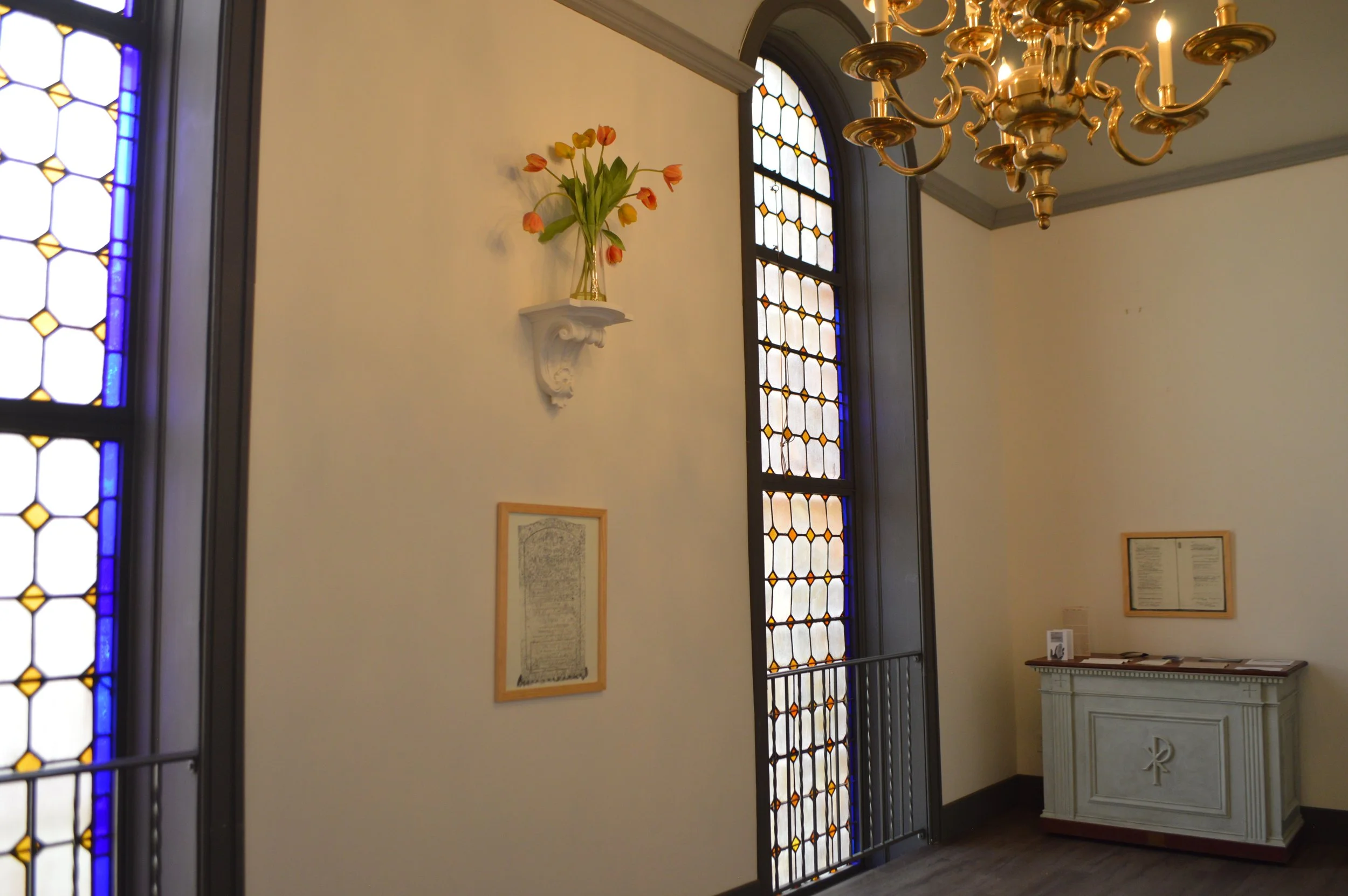
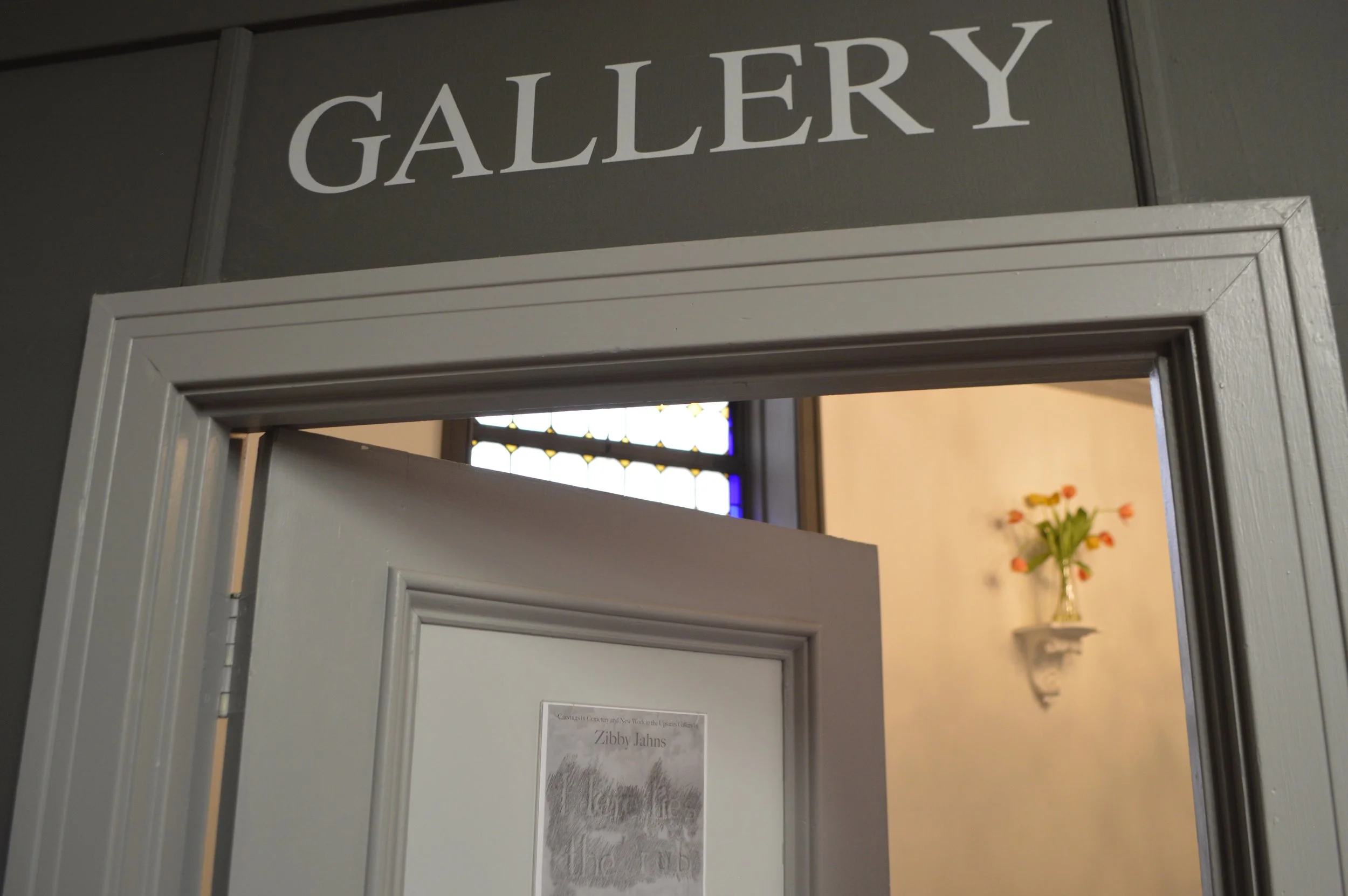
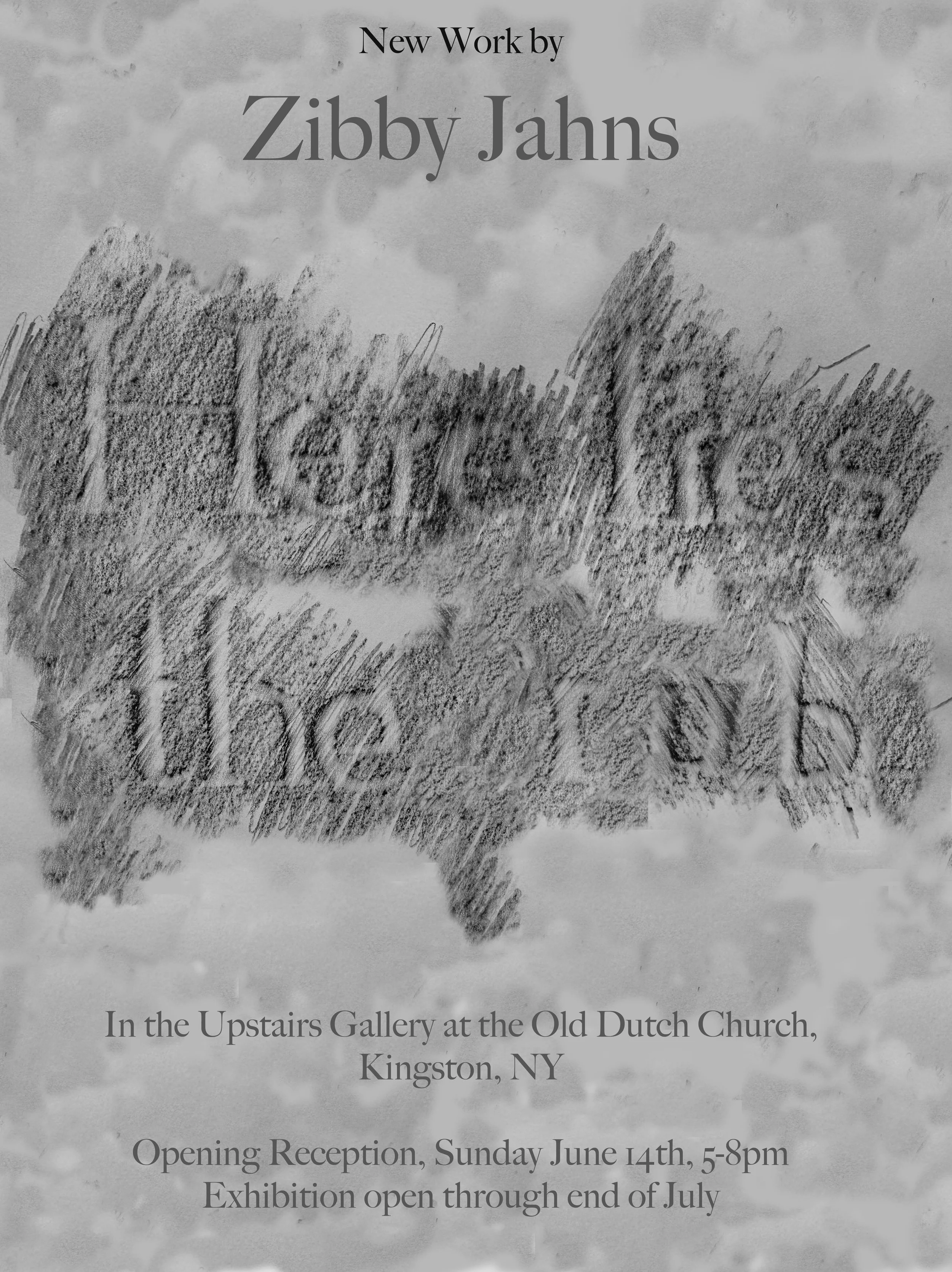
Here Lies The Rub
June & July 2026 at Old Dutch Church in Kingston, NY
A note about the drawings:
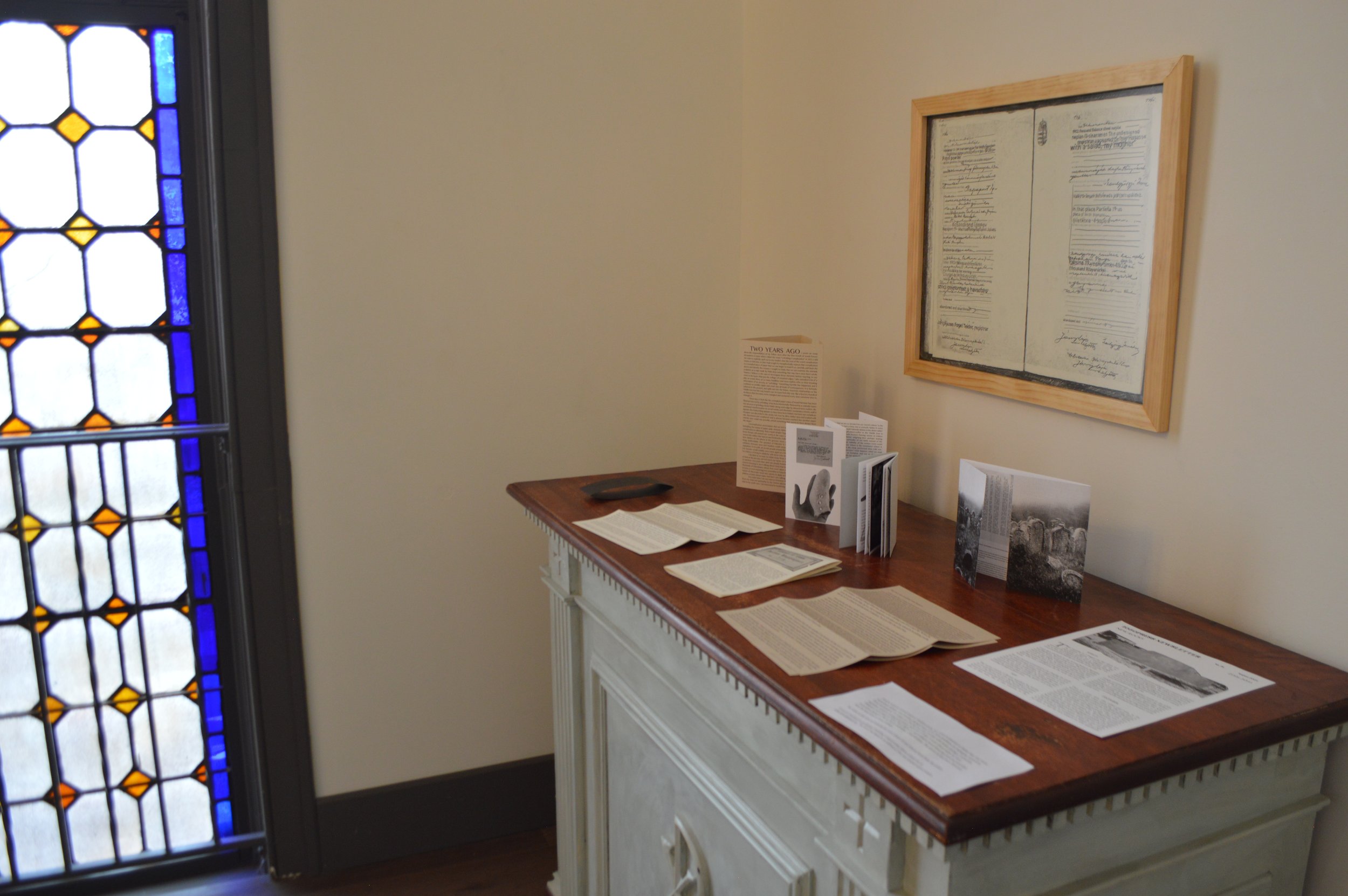
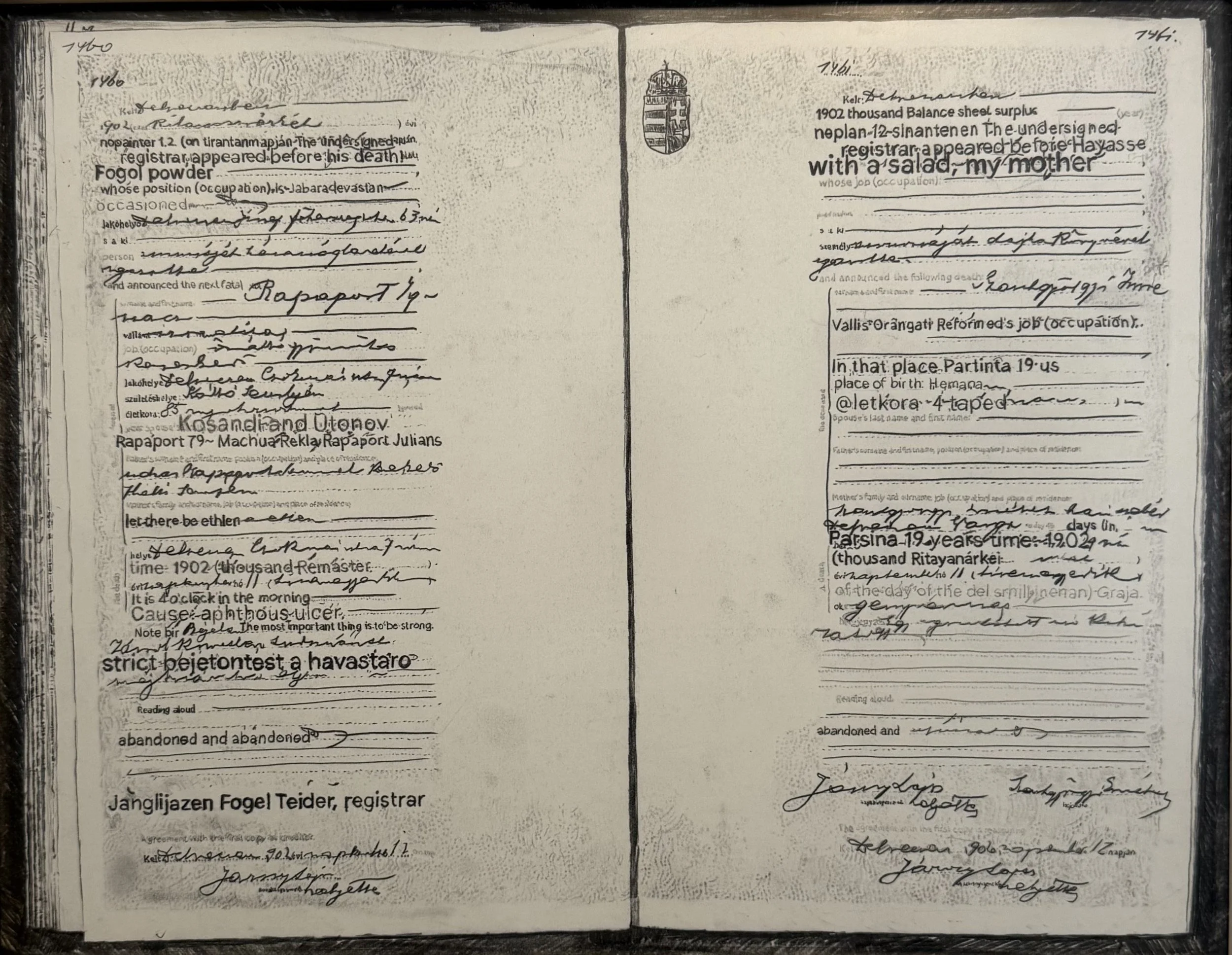
1. Google Translate of the 1902 Hungarian death certificate of my great great great great great grandfather Rabbi Ignacz Rapaport from Debrecen, Hungary. I found this document online in a genealogical database run by the Mormon Church. This book of Hungarian Jewish death certificates is kept in a vault under Salt Lake City.
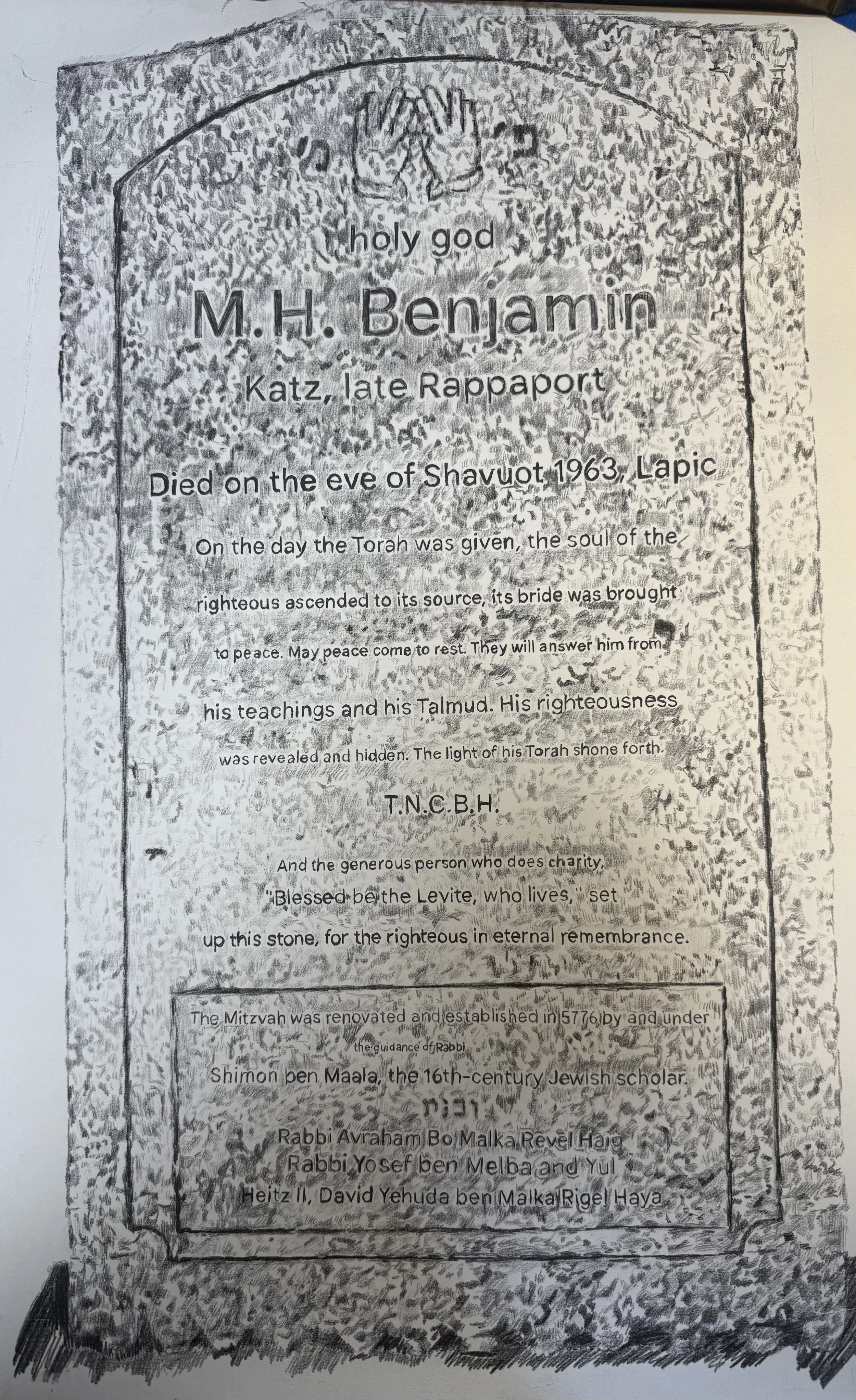
2. Headstone of my great great great great great great grandfather, Rabbi Benjamin Rappaport in Berettyóújfalu, on the border of Romania and Hungary, who died in 1863. I found this image, originally inscribed in Yiddish, on Google Maps when searching for the town’s Jewish cemetery. I used Google again for the (erroneous) translation. This is a modern headstone, to replace his old one that seems to have been destroyed, and stands in a locked shed on the grounds of the desecrated cemetery.
3. Photograph from the 1920s of the cemetery in Burgkunstadt, Bavaria whose headstones were later broken and desecrated in the 1930s. This image had been scanned and uploaded to a web page about the history of the town’s Jewish population. My great great great great grandparents were buried there in the late 1800s/early 1900s—-my gr. gr. gr. gr. grandpa was the gabbai (or caretaker) of this synagogue and cemetery.
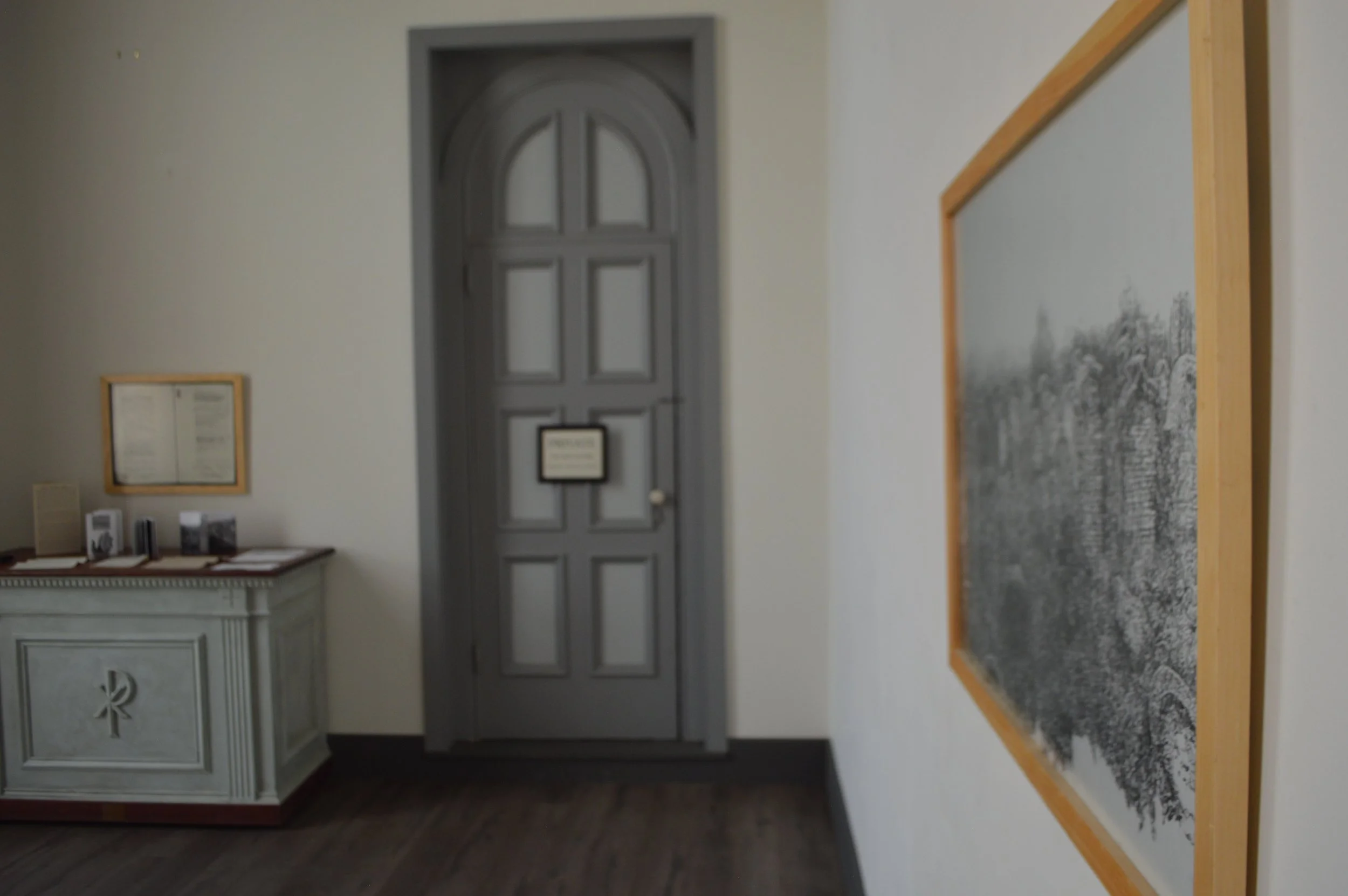
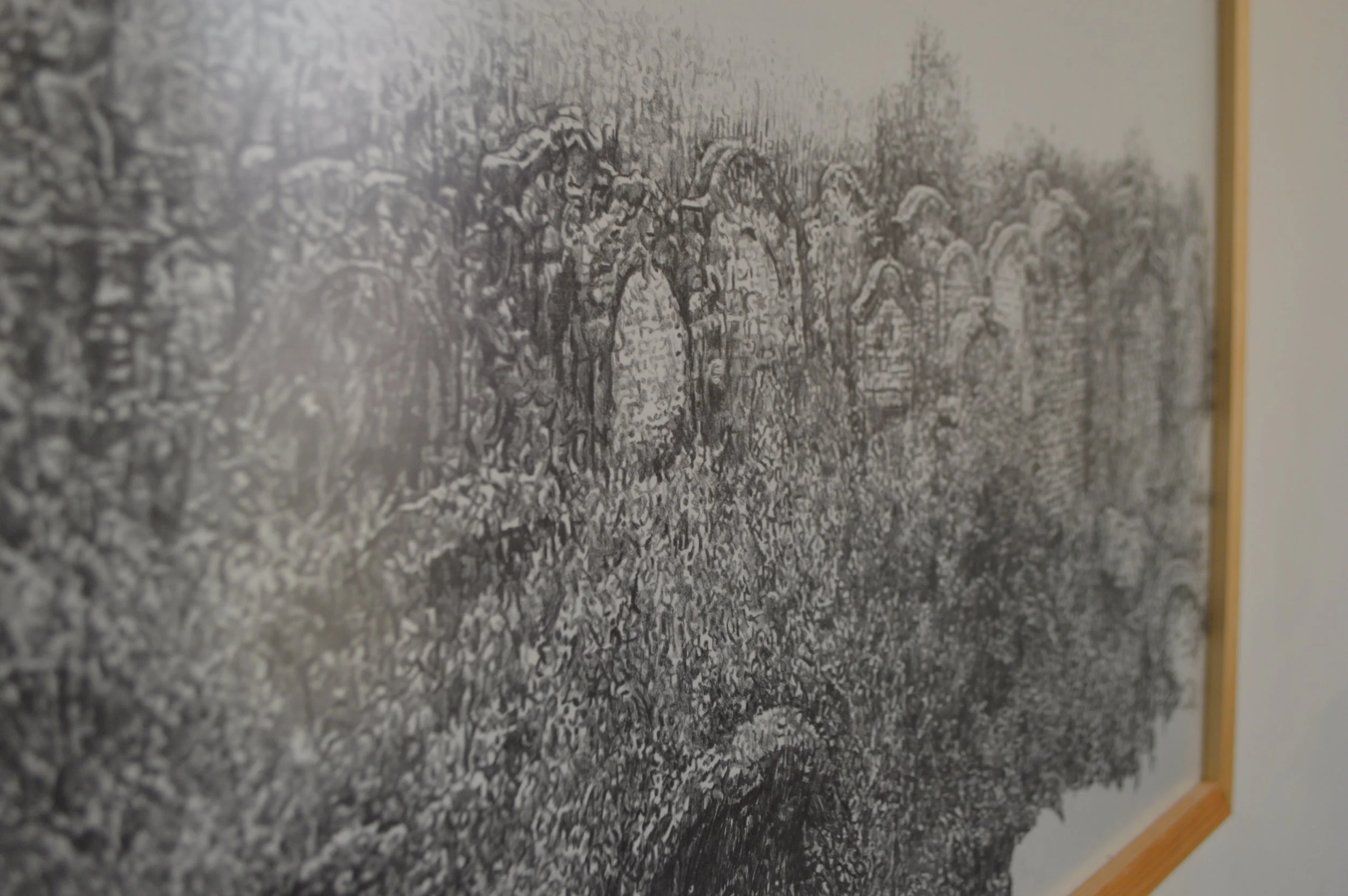
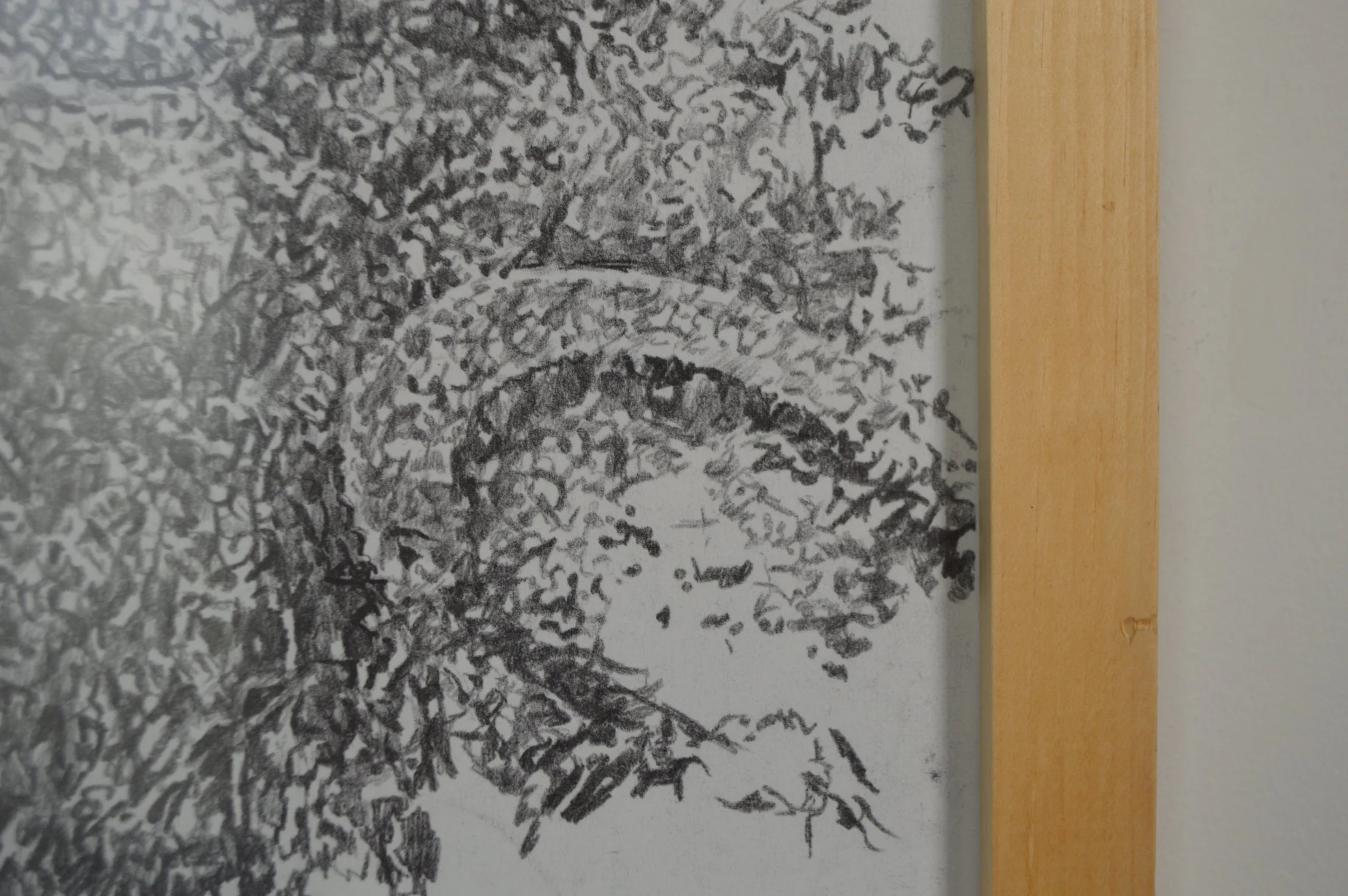
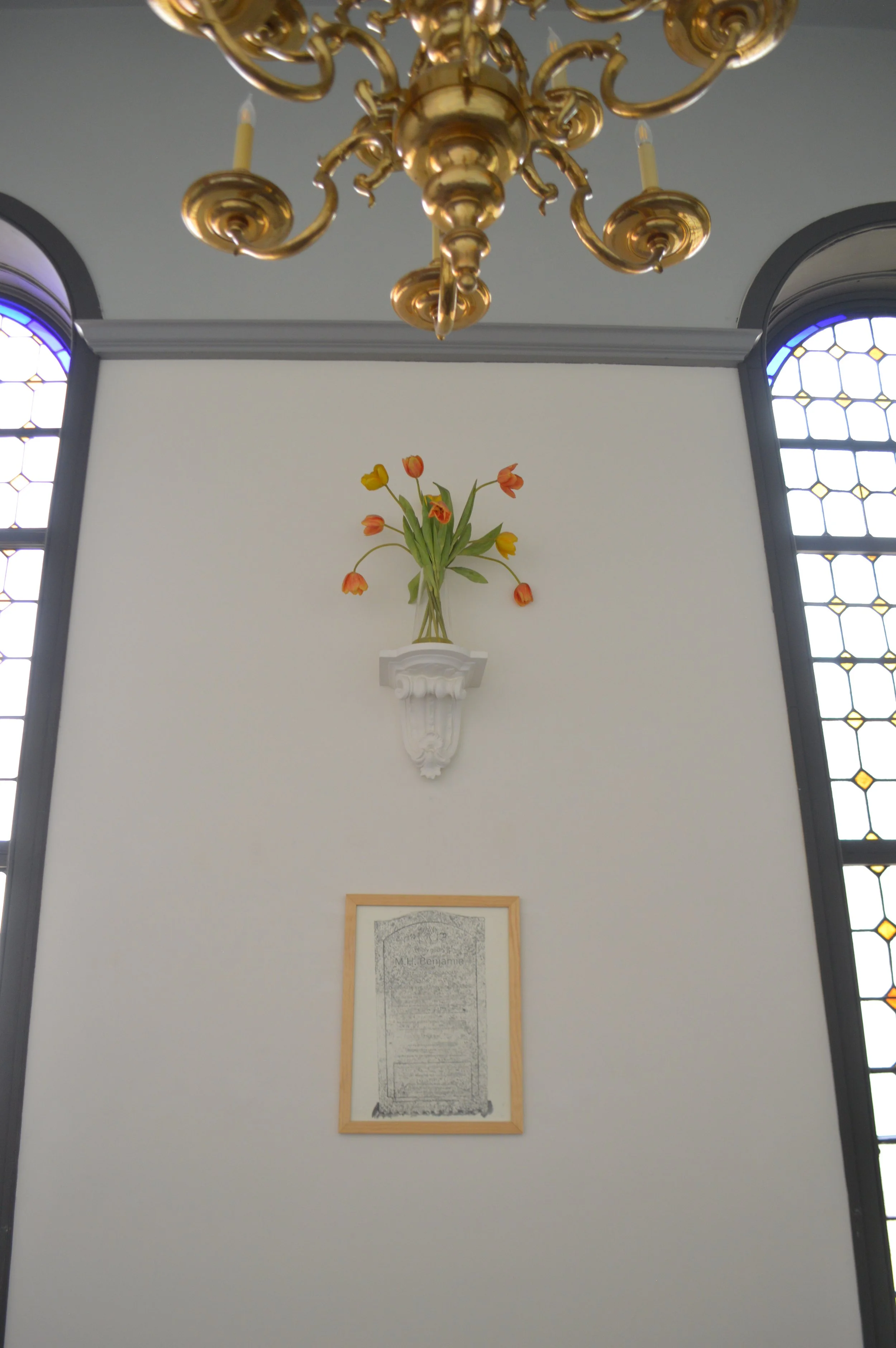
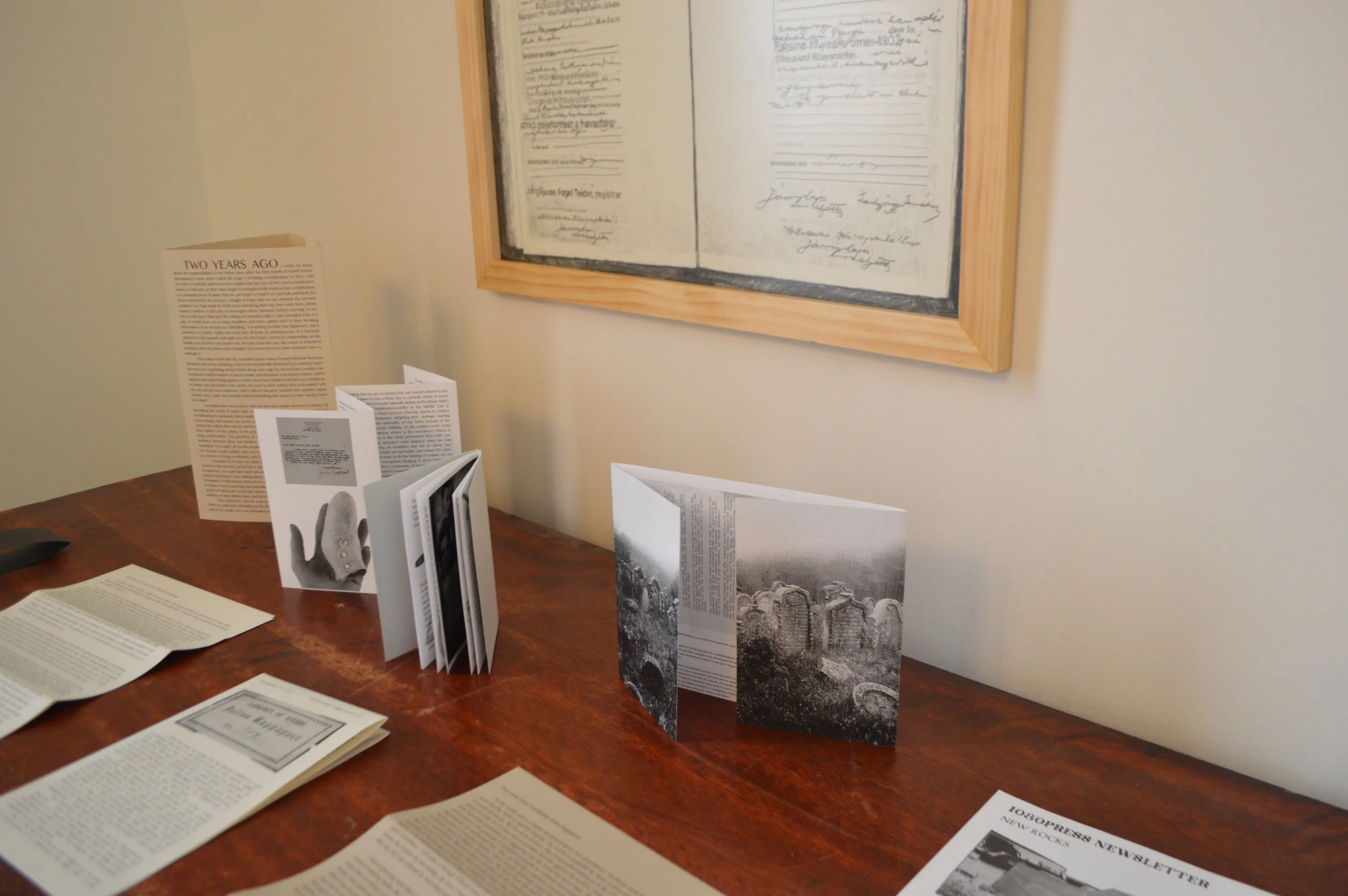
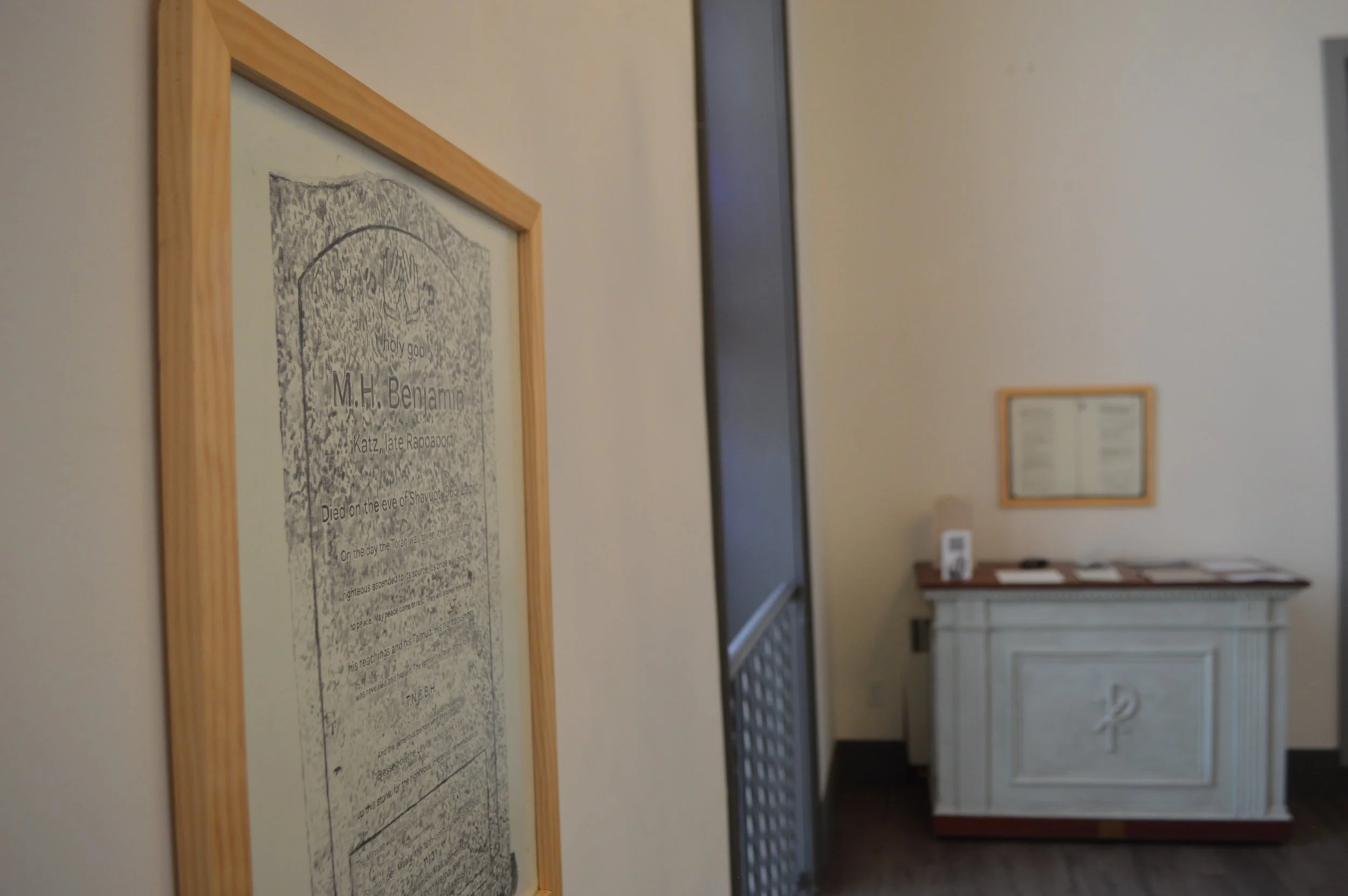
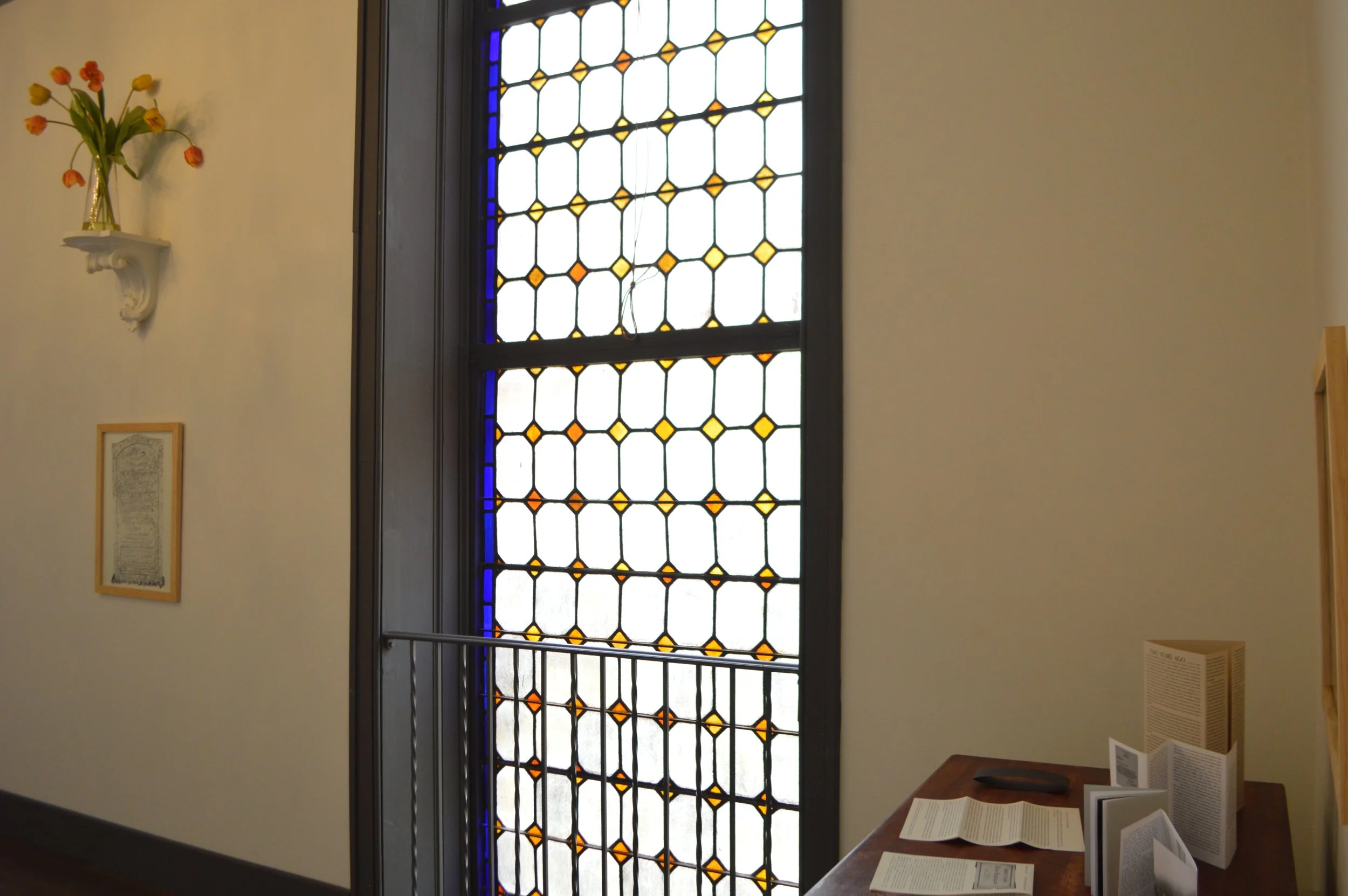
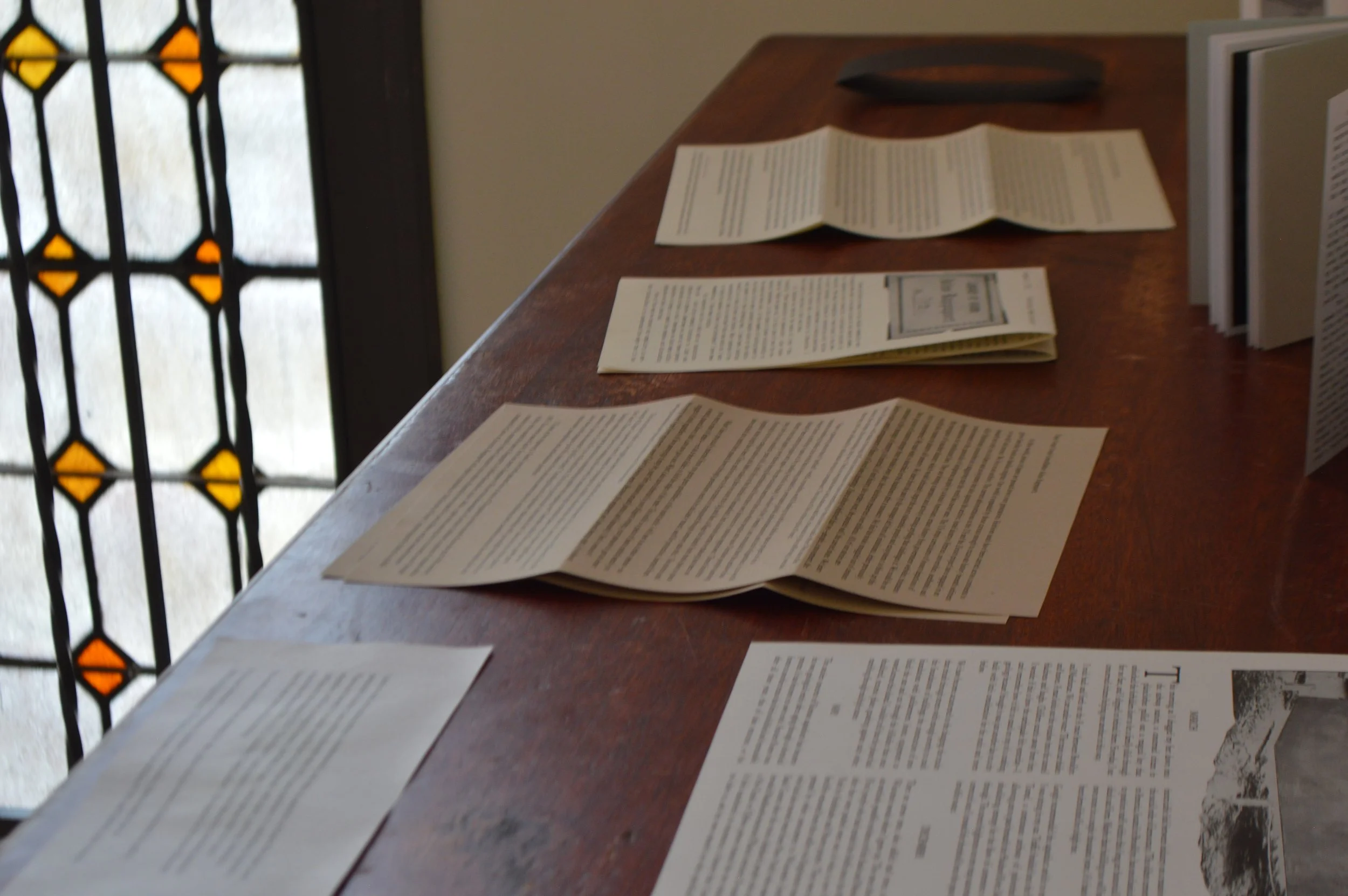
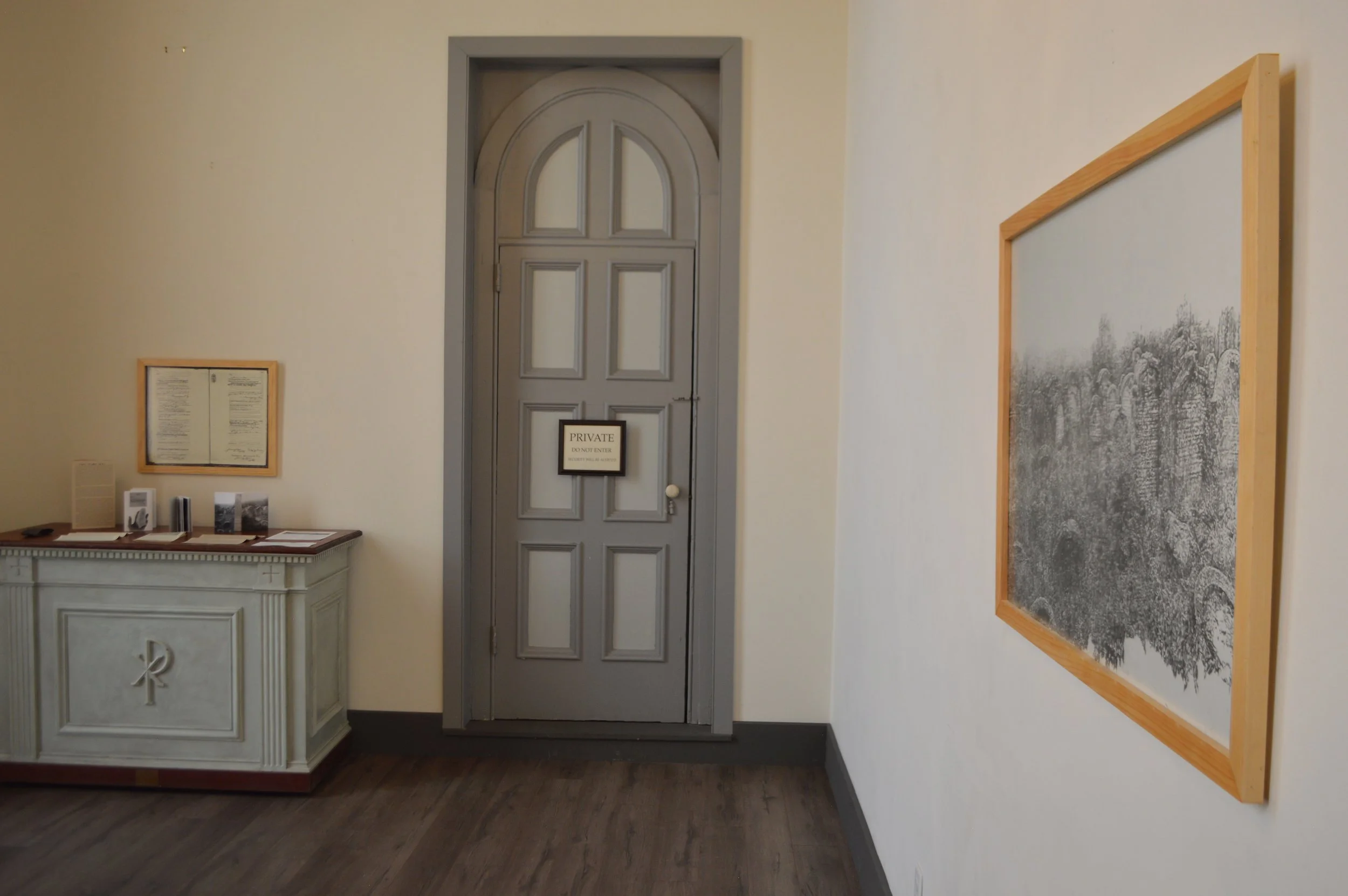
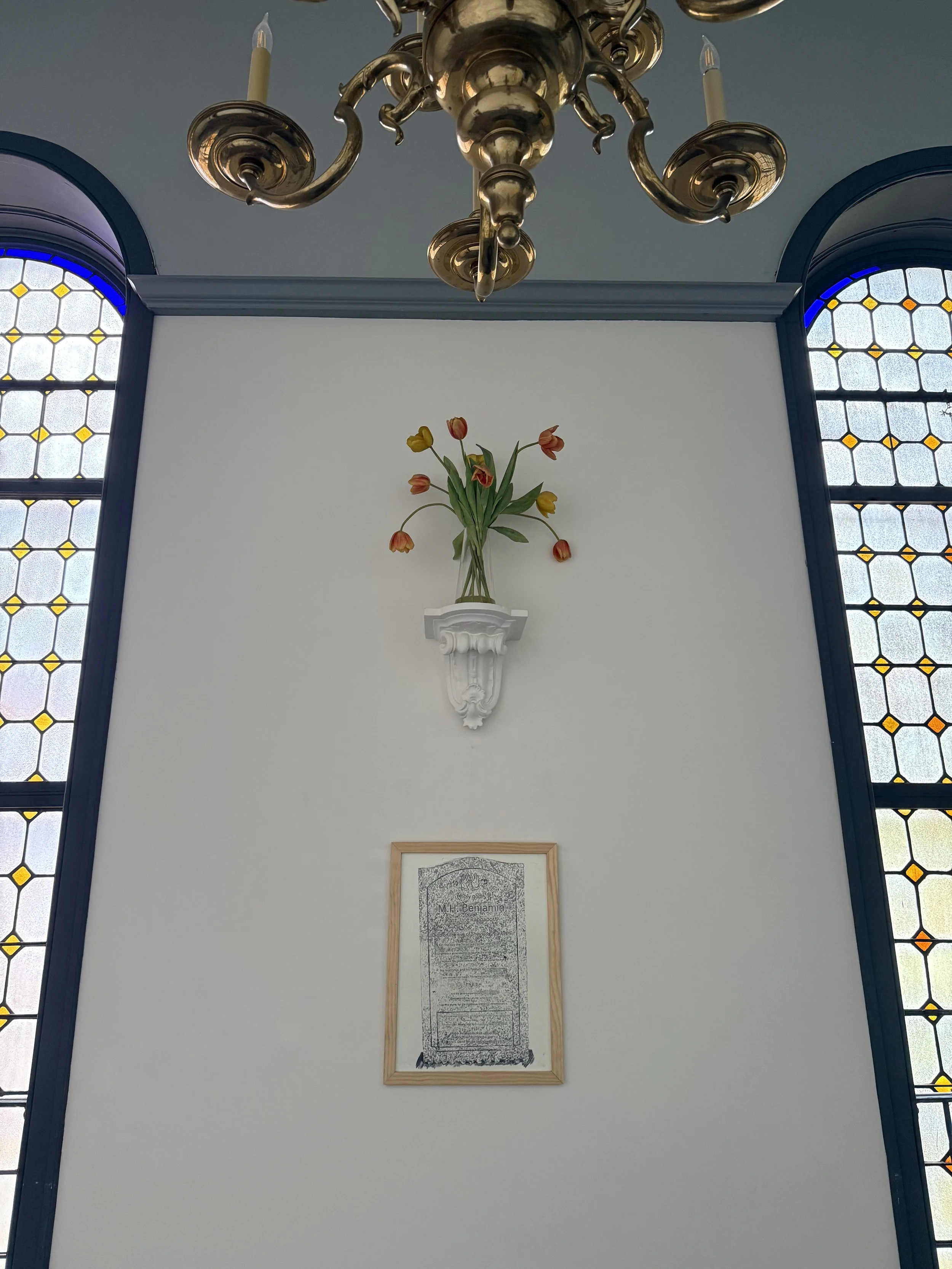
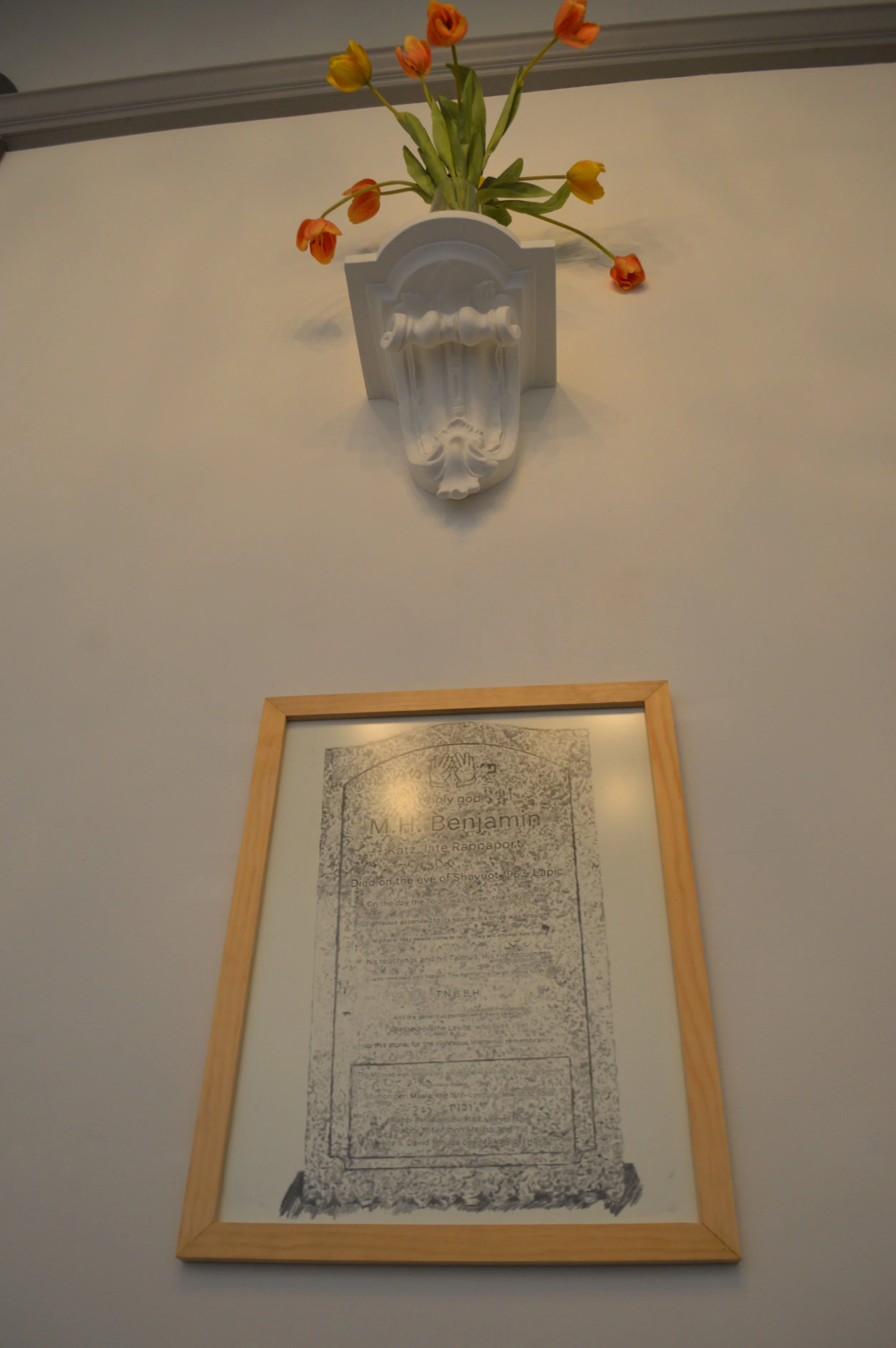
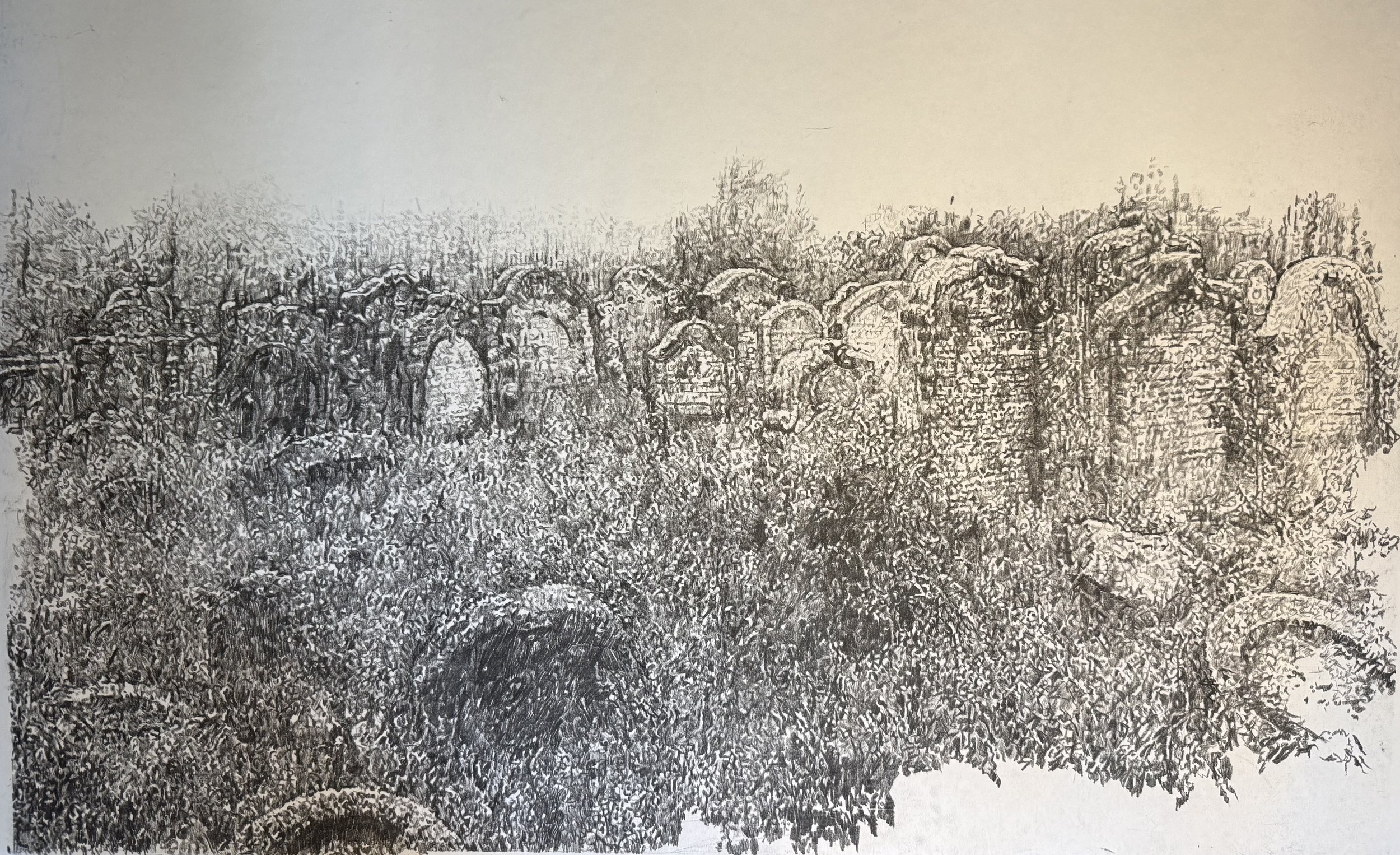
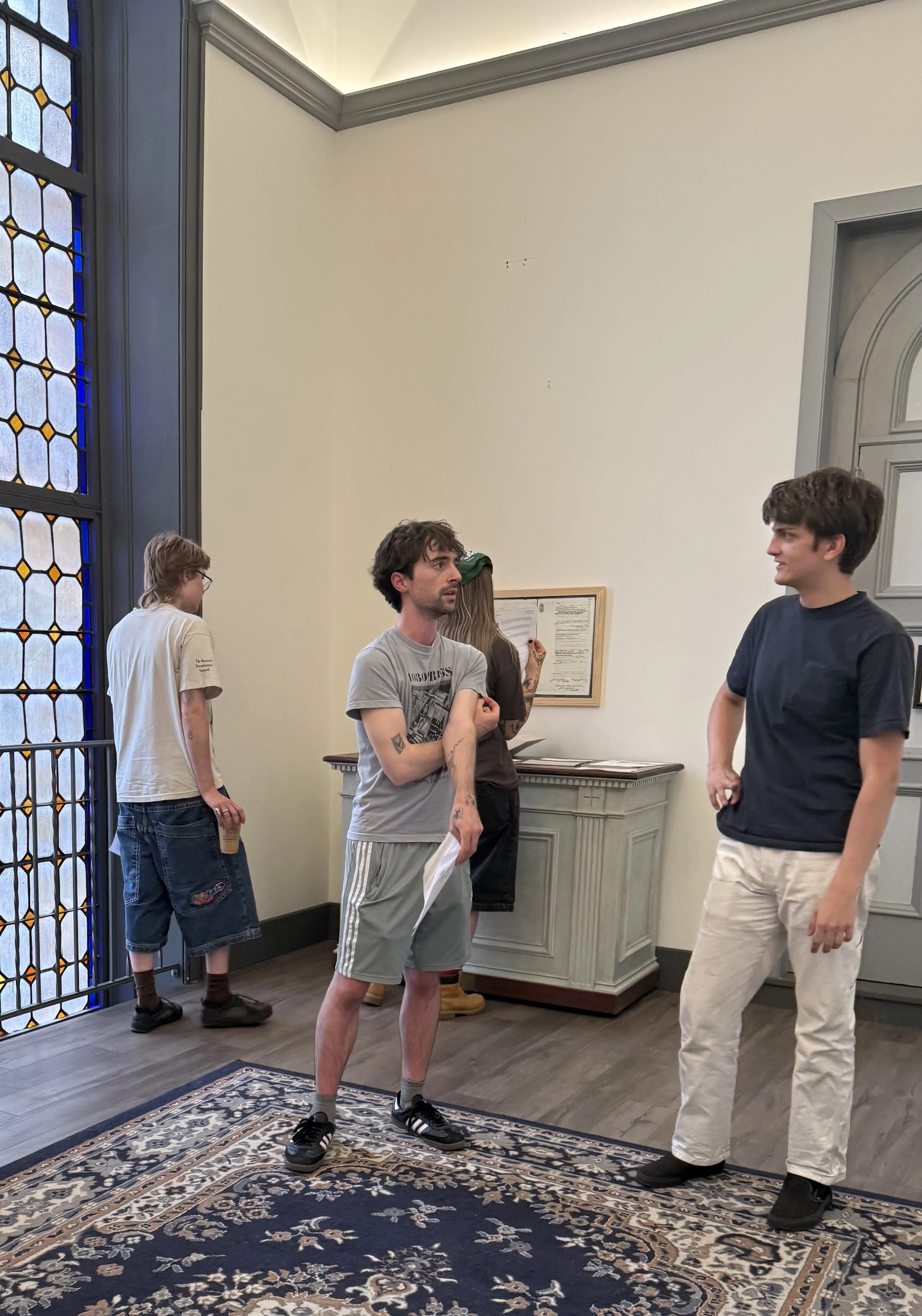
My genealogical research has felt equally geological as I attempt to find generations embedded in history like prying apart and studying layers in rocks. My family moved every generation, and photographs of my ancestors’ rabbinical headstones I found on the internet were the only access I had to their lives. The markers were carved in Yiddish I couldn’t read, fellow headstones decorated with ornate motifs of flowers, fingers, and fauna–which defied Jewish law as “graven image.”
I have been trying to make sense of a language that was stripped from the mouths of my family through the process of assimilation. I have fed these pixelated, shadow-filled photographs through language-translation apps that further mutate the information into an incomprehensible mythology. These feel like a strange antithesis to geology and the forever grounded nature of rocks. Without the physical stones to rub, my connection to my past can only be rendered through drawing these images. Just as my own connection to the animals and plants that have disappeared from the Hudson River valley are to carve them into stone.